About Sbr mbbr mbr Based Sewage Treatment Plant
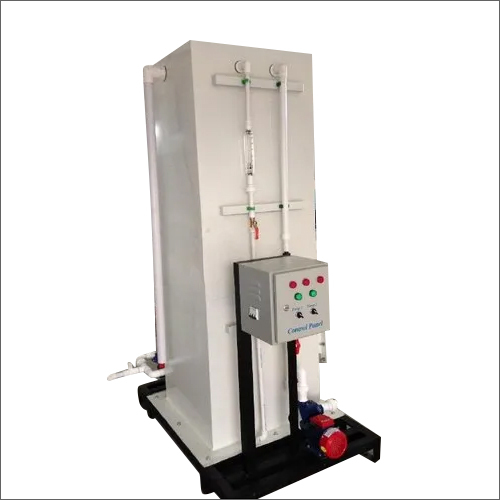
With our in-depth knowledge and experience, we are engaged in offering MBR Based Sewage Treatment RO Plant. This plant comes with high efficiency membrane separation technology and combines the activated Sludge technology. Moreover, this MBR Based Sewage Treatment RO Plant is checked to ensure their performance and flawlessness. This RO plant can effectively improve sludge load, while MBBR belongs to biofilm process.
Advanced Treatment TechnologiesIncorporating Sequential Batch Reactor (SBR), Moving Bed Biofilm Reactor (MBBR), and Membrane Bio Reactor (MBR) technologies, our sewage treatment plants deliver superior contaminant removal for raw sewage. These systems ensure high performance in BOD, COD, and TSS reduction, offering reliable water quality that meets stringent regulatory standards.
Flexible and Scalable DesignOur containerized, modular, and skid-mounted solutions allow for easy scalability and adaptability to specific site requirements. With customizable capacities ranging from 5 to 500 KLD and variable flow rates, clients can select models that precisely suit their needs, ensuring smooth integration into new or existing infrastructure.
Efficient and Low-Maintenance OperationEngineered for operational excellence, these plants feature low energy consumption, automated or semi-automatic controls, and user-friendly electrical panels. With quarterly maintenance intervals and low sludge production, operational overhead is minimized. The oil-free, energy-efficient air blower ensures sustained, quiet performance below 70 dB.
FAQ's of Sbr mbbr mbr Based Sewage Treatment Plant:
Q: How does the SBR, MBBR, and MBR based sewage treatment plant process wastewater?
A: The plant uses a multi-stage process combining SBR, MBBR, and MBR technologies. Raw sewage first passes through screening and grit removal. SBR handles batch biological treatment, MBBR facilitates attached biofilm growth for organic load reduction, and MBR uses fine membranes (0.1-0.2 microns) to physically separate contaminants, ensuring treated water meets PCB and CPCB standards.
Q: What are the benefits of using this sewage treatment plant for commercial applications?
A: Key benefits include high removal efficiencies for BOD, COD, and TSS, compliance with regulatory standards, low sludge generation, optimized energy usage, minimal maintenance needs, and a flexible, expandable design that can accommodate different capacities and installation environments.
Q: When is pre-treatment such as screening and grit removal needed?
A: Pre-treatment steps like screening and grit removal are recommended before the main treatment process to remove larger debris and inorganic particles. This protects the biological and membrane systems, prolongs plant life, and ensures consistent effluent quality.
Q: Where can this sewage treatment plant be installed and used?
A: The plant is suitable for commercial and industrial facilities, including hotels, offices, manufacturing units, and residential complexes. Its modular, portable design allows for easy on-site installation, either containerized, skid-mounted, or as a permanent setup, depending on space and capacity needs.
Q: What type of maintenance does the system require and how often?
A: Routine maintenance requirements are minimal. Typically, quarterly check-ups are sufficient to inspect components, ensure PLC/electrical panels function properly, and clean or replace membranes as necessary. This maintenance schedule supports sustained, reliable operation with little downtime.
Q: How quickly can the system be started and made operational?
A: The system is designed for rapid deployment, with start-up times that are notably quick. Ready-to-use modules allow almost immediate commencement of sewage treatment upon installation and connection to power, making it ideal for urgent or temporary setups.




 Send Inquiry


 Send Inquiry
